
Patterns in Deploying KMS for Efficient Office Licensing
Effective software deployment requires a strategic approach to licensing, particularly when dealing with widely used applications like Microsoft Office 2019. The use of a Key Management Service (KMS) can simplify and streamline the activation process. The focus of this article is to explore the patterns in deploying a KMS activator for Office 2019 to ensure efficient license management and compliance.
Understanding KMS Activator Office 2019
The KMS activator model is specifically designed to facilitate volume licensing for large organizations. It allows companies to activate systems within their network without requiring individual online activation checks with Microsoft. For Office 2019, this means deploying a single KMS server that handles activation requests from multiple clients, significantly reducing administrative overhead.
Key Components of KMS Activator Office 2019
A successful deployment of KMS activator office 2019 hinges on understanding its core components: the KMS host, DNS configuration, and client setup. The KMS host is the server where the necessary Service Host Key (SHK) is installed. It processes activation requests from client machines, ensuring they receive the proper activation status.
Installation Command: DISM Tool
DISM (Deployment Image Servicing and Management) is a powerful tool used for installing and configuring the KMS host key on Windows Server. Utilizing DISM correctly ensures that your KMS host is prepared to handle Office 2019 activations efficiently and reliably. This tool not only facilitates initial setup but also aids in ongoing maintenance and troubleshooting, making it an indispensable part of the KMS deployment toolkit.
Deploying KMS Activator Office 2019: Step-by-Step
Deploying a KMS activator office 2019 involves several crucial steps. Firstly, ensure your server meets minimum hardware requirements, such as at least 4 GB of RAM and 2 vCPUs in a virtualized environment. Once your server infrastructure is ready, install the appropriate license key using tools like DISM or the Volume Activation Management Tool (VAMT).
- Step 1: Install the KMS host key on your server.
- Step 2: Configure DNS records to automatically direct client machines to the correct KMS host.
- Step 3: Validate connectivity between client machines and the KMS host to ensure activation requests are received and processed accurately.
Troubleshooting Common Issues with KMS Activator Office 2019
KMS activation can encounter several common issues. Misconfigured DNS settings can prevent clients from locating the KMS host, leading to failed activations. It’s essential to verify that SRV records in DNS are correctly pointing clients to your designated server. Regular testing of these configurations can preemptively catch potential problems before they impact wider operations.
The Role of Network Configuration in KMS Activator Office 2019
A properly configured network is critical for the seamless operation of a KMS activator office 2019. Firewalls should allow traffic on TCP port 1688, which is used by default for communication between clients and the KMS host. Ensuring these configurations are correct can prevent unnecessary downtime and maintain compliance with licensing agreements.
KMS Activation Thresholds and Their Importance
The effectiveness of a KMS activator office 2019 also depends on meeting specific activation thresholds—typically at least five machines must be activated before any other client licenses are validated. This threshold ensures that only legitimate enterprise setups can utilize volume licensing benefits via KMS. Maintaining awareness of these thresholds helps administrators manage resources efficiently while ensuring full compliance with Microsoft’s licensing terms.
The Influence of Kmspico Tools: A Cautionary Note
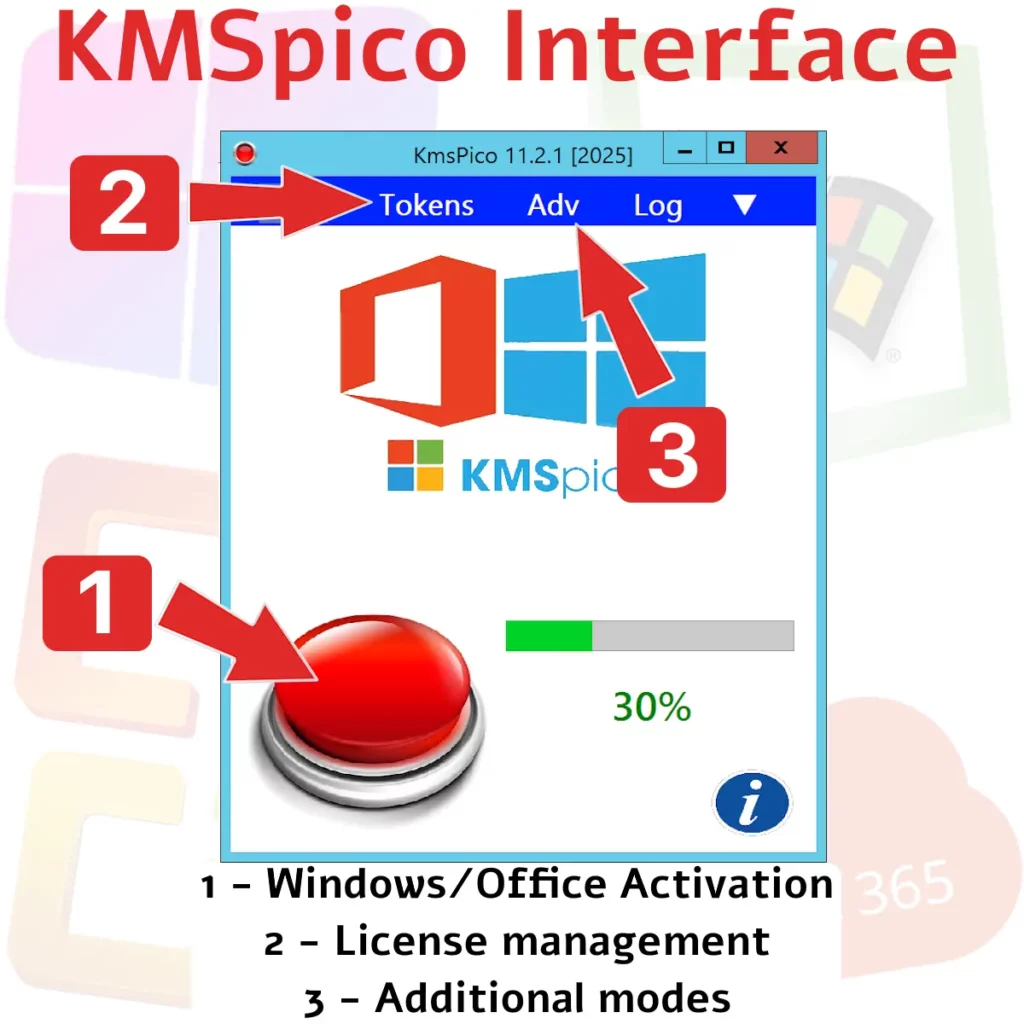
KmsPico tools, such as kmspico office activator, often appear as alternatives but generally target different user bases, providing temporary solutions rather than scalable enterprise-level licensing options. It’s crucial for IT specialists to distinguish between legitimate deployment strategies versus unauthorized tools like kmspico descargar when considering license compliance. Unauthorized tools might offer short-term solutions but often come with significant risks to security and compliance.
Optimizing License Management with Data Insights from KMS Activator Office 2019 Deployments
An integral part of efficient license management involves analyzing real-time usage data. By utilizing built-in reporting tools in Windows Server, administrators can assess how many clients have successfully activated through the KMS activator office 2019. Regular audits help manage license allocation effectively, ensuring no resources are wasted. These insights enable more informed decision-making regarding future software purchases and deployments.
The Future of Software Activation Strategies: Combining Cloud and Local Solutions
The landscape of software activation continues to evolve with cloud-based solutions gaining popularity alongside traditional models like KMS. As organizations scale globally, adopting hybrid models that combine cloud licensing with local KMS activators for Office 2019 provides flexibility while maintaining control over local deployments. This hybrid approach allows businesses to leverage cloud efficiencies while preserving established processes within their existing IT infrastructure.
In conclusion, deploying a KMS activator office 2019 brings numerous advantages in managing enterprise licenses efficiently. By understanding deployment patterns and addressing common challenges proactively, organizations can optimize their software asset management strategies while staying compliant with licensing agreements. As technology progresses, staying informed about both current practices and emerging trends will be critical in maintaining effective license management frameworks that support organizational growth objectives.
This comprehensive understanding not only aids in preventing unauthorized software use but also ensures that all deployed applications function optimally across various departments within an organization—ultimately supporting business objectives through reliable technology infrastructure.
The role of IT professionals in implementing these systems cannot be understated; their expertise ensures smooth transitions during upgrades or new deployments while maximizing resource utilization across diverse environments. As more businesses move towards digital transformation initiatives, having robust licensing strategies becomes increasingly vital in navigating complex technological landscapes without compromising operational efficiency or security standards.
Furthermore, training staff on best practices associated with license management can enhance overall productivity by minimizing disruptions caused by unlicensed software errors or non-compliance penalties. In addition to technical skills, fostering an organizational culture that prioritizes ethical software use contributes significantly towards sustainable growth and innovation within competitive markets.
The future promises exciting developments in software licensing as artificial intelligence (AI) and machine learning algorithms begin playing roles in predictive analytics related to usage patterns—aiding enterprises further refine their strategies based on actionable insights derived from historical data trends coupled with real-time monitoring capabilities provided by modern platforms like those integrated within Windows Server environments today.
Ultimately, embracing advancements across both technological tools available now—as well as those anticipated soon—will empower companies not only achieve compliance goals but also unlock new potential through strategic alignment between business objectives & IT infrastructure investments made possible via informed decision-making processes guided by comprehensive analysis & forward-thinking approaches aligned perfectly toward long-term success horizons envisioned collectively amongst stakeholders involved throughout entire lifecycle stages experienced during enterprise-level solution implementations worldwide today!